Cleaning and caring for wounds properly is essential for preventing infection and promoting healing. Whether you've experienced a minor scrape, a more significant cut, or even a surgical incision, understanding how to effectively clean wounds with saline solution can significantly impact your recovery. This guide, focusing on Saline For Wound Cleaning Guide, will walk you through the process, helping you maintain a clean and healthy environment for your wound to heal. It's a key part of any good wound care strategy, and knowing how to do it correctly can save you from potential complications.
This information is helpful for homeowners, property managers, and anyone dealing with wounds. Effective wound care is not just about covering a wound; it’s about creating a healing environment. A proper Saline For Wound Cleaning Guide is the first step!
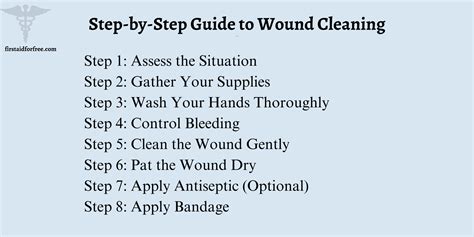

Why Saline For Wound Cleaning Guide Is Important
Wound cleaning with saline solution is a fundamental aspect of wound care. It serves to remove debris, bacteria, and other contaminants that can impede the healing process and lead to infection. Saline, which is a sterile solution of sodium chloride in water, is gentle on the tissues and doesn't disrupt the natural healing process. Following a proper Saline For Wound Cleaning Guide is the foundation of preventing infection and helping wounds heal faster.
Common Problems Solved by Saline For Wound Cleaning Guide
Proper wound cleaning with saline effectively addresses several common issues. It prevents infections by removing bacteria, dirt, and other harmful substances. By keeping the wound clean, it reduces inflammation and discomfort. Furthermore, a clean wound environment encourages faster healing, minimizing scarring and improving the overall aesthetic outcome. Implementing a thorough Saline For Wound Cleaning Guide helps avoid complications.
Benefits of Professional Saline For Wound Cleaning Guide
While you can clean minor wounds at home, professional wound care services can offer significant benefits. These services ensure the wound is thoroughly cleaned, using sterile techniques to minimize infection risk. Professionals are trained to assess the wound's severity and apply appropriate dressings. They can also identify potential complications early and provide necessary treatments or referrals. A professional Saline For Wound Cleaning Guide service gives you peace of mind.
How Often You Should Schedule Saline For Wound Cleaning Guide
The frequency of wound cleaning depends on the type and severity of the wound. Minor scrapes and cuts may require cleaning once or twice a day. More serious wounds, such as surgical incisions or deep wounds, may need to be cleaned more frequently, possibly several times a day, as per the advice of a medical professional. Always consult a healthcare provider for personalized guidance based on your specific situation. This Saline For Wound Cleaning Guide is a general guideline; always seek medical advice.
Choosing the Right Saline For Wound Cleaning Guide Service in the US
When selecting a wound cleaning service, look for experienced professionals with proper credentials and a commitment to sterile techniques. Check online reviews and ask for referrals to ensure the service has a good reputation. Consider the convenience of their location and availability. Ensure the service provides a comprehensive assessment of your wound and offers clear instructions for follow-up care. A good Saline For Wound Cleaning Guide service will prioritize your health and well-being.